Recovery Science
Evidence-based insights into cold therapy mechanisms and benefits
Cold Exposure Benefits
Understanding how controlled cold exposure supports recovery and performance
Circulation Enhancement
Cold exposure stimulates vasoconstriction followed by vasodilation, improving blood flow and nutrient delivery to tissues
Inflammation Reduction
Controlled cold therapy helps reduce inflammatory markers and supports the body's natural recovery processes
Mental Clarity
Cold exposure activates the sympathetic nervous system, enhancing alertness and cognitive function
Recovery Acceleration
Regular cold therapy sessions can support faster muscle recovery and reduce perceived fatigue
Research Highlights
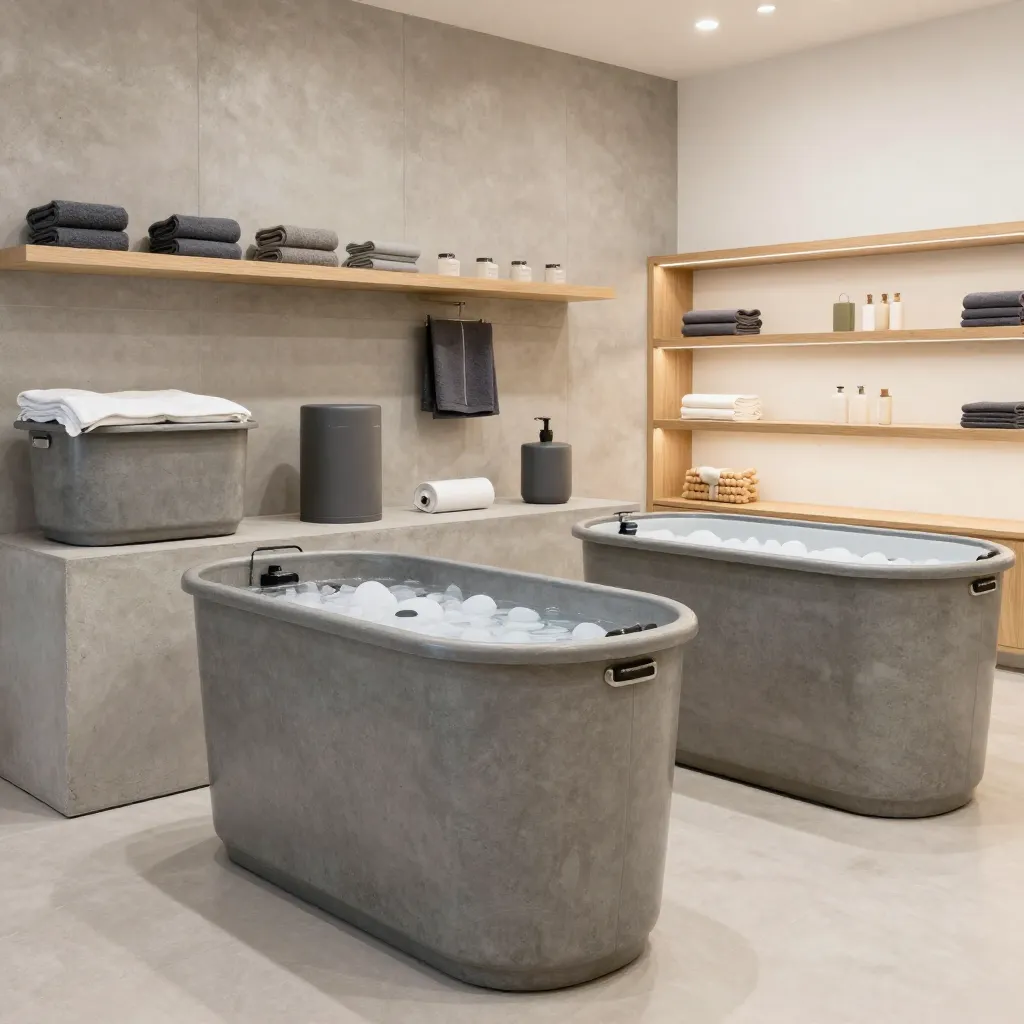
Scientific studies have demonstrated the effectiveness of cold therapy in various contexts. Research indicates that controlled cold exposure can support recovery, reduce inflammation, and enhance overall well-being when practiced consistently and safely.
Recovery Process Timeline
Understanding the physiological responses during and after cold exposure
Initial Response (0-2 minutes)
The body activates the sympathetic nervous system, increasing heart rate and releasing endorphins. Blood vessels constrict to preserve core temperature.
Adaptation Phase (2-5 minutes)
The body begins to adapt to the cold stimulus. Breathing becomes deeper and more controlled. Mental focus increases as the body enters a state of heightened awareness.
Recovery Activation (5-15 minutes)
After exiting the cold environment, blood vessels dilate, increasing circulation. This enhanced blood flow delivers nutrients and oxygen to tissues, supporting recovery processes.
Long-Term Benefits (Regular Practice)
With consistent practice, the body adapts to cold exposure, improving thermoregulation, reducing inflammation markers, and enhancing overall recovery capacity.
Temperature Graph Analysis

Optimal temperature ranges for cold therapy typically fall between 0°C and 15°C. The duration and frequency of exposure should be adjusted based on individual tolerance and goals. Our systems provide precise temperature control to ensure safe and effective sessions.
Interactive Recovery Journey

Preparation
Proper preparation ensures a safe and effective cold therapy session. Begin with controlled breathing and gradual exposure.
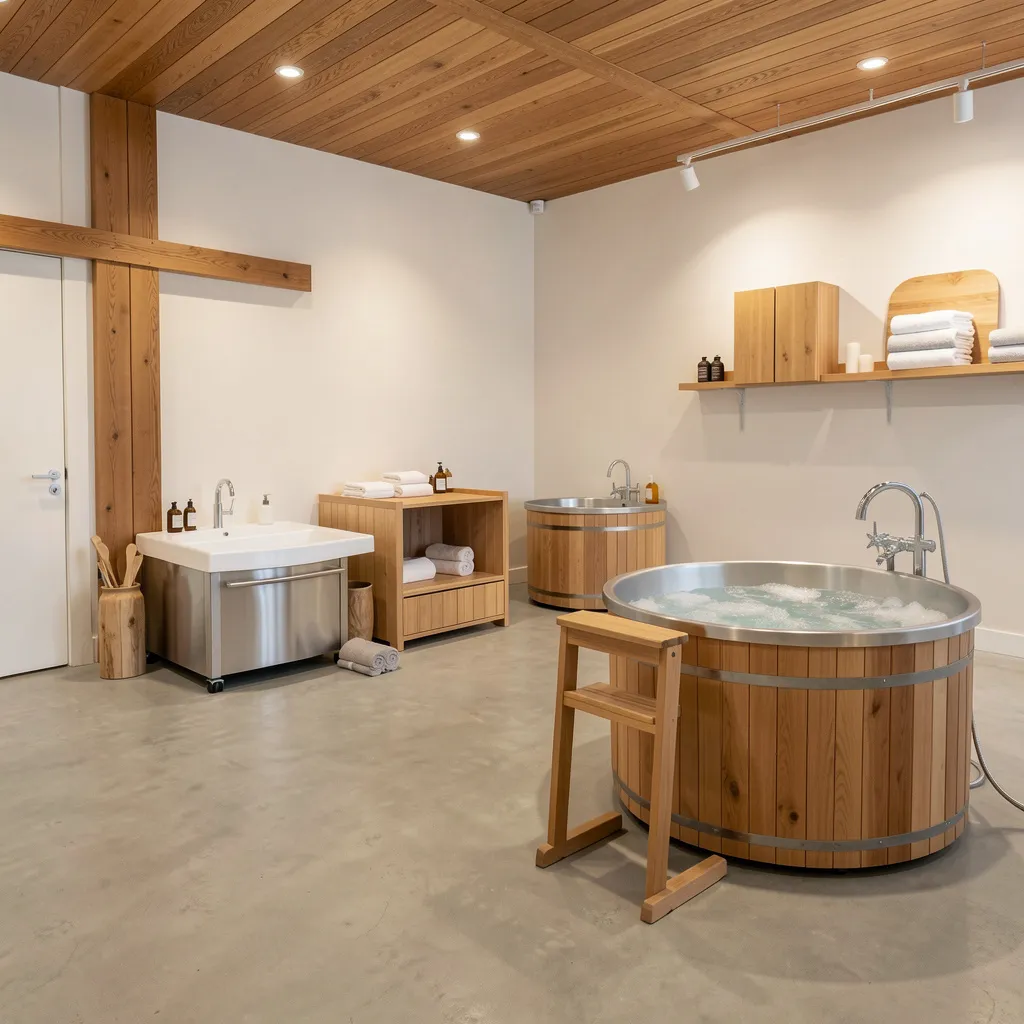
Active Session
During the session, focus on controlled breathing and mental calm. Start with shorter durations and gradually increase.

Recovery Phase
After exiting, allow natural rewarming. Enhanced circulation supports the body's recovery processes during this phase.

Long-Term Adaptation
Regular practice leads to improved thermoregulation, enhanced recovery capacity, and greater resilience to stress.
Scientific Evidence
Research in exercise science and recovery protocols has shown that cold therapy can be an effective tool when used appropriately. Studies have examined various aspects including inflammation reduction, recovery time, and physiological adaptations.
It's important to note that individual responses vary, and cold therapy should be practiced safely with proper guidance. Our systems are designed to provide controlled, consistent conditions. Results may vary based on individual factors, and cold therapy is not intended to diagnose, treat, cure, or prevent any medical condition.
Learn More